
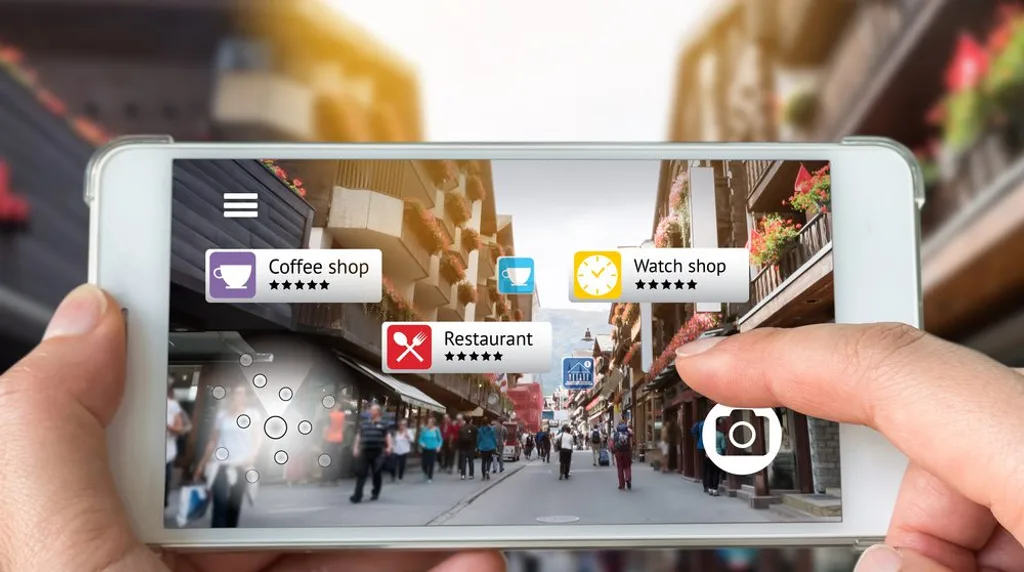
Restaurant marketing has an unusually short fuse. The decision about where to eat tonight is typically made within an hour of eating, on a phone, from a map — and it is resolved before anyone visits a restaurant's own website. By the time somebody would have read your carefully written About page, they are already sitting somewhere else. The practical steps are in elevate your salon and spa with expert digital marketing solutions.
That single fact should reorder the priorities of almost every restaurant we look at. The website is not where the decision happens. The listing is.
The listing is the storefront
Map and menu presence optimised for near-me and open-now searches is the highest-return work available here, and it is mostly unglamorous maintenance rather than creative effort. Correct hours, a current menu, recent photographs and accurate categories decide more covers than any campaign.
The most expensive error in the category is also the most boring one: wrong holiday hours. Someone travels to a closed restaurant, and the business has converted a paying customer into a bad review at no cost to any competitor.
- Update hours before every holiday, not after somebody complains.
- Keep the menu current and on the listing itself — a PDF that downloads is a decision you have interrupted.
- Photograph the food regularly. Photos and current menus outperform every other listing element.
- Check what the listing shows on a phone, since that is the only device that matters here.
Ratings below four stars suppress traffic measurably
Review velocity drives local ranking as much as it drives human choice, and this is one of the few categories where a specific threshold behaves like a cliff. Dropping below four stars visibly reduces how many people consider you at all, regardless of how good the food is.
The defence is volume and recency rather than perfection. A steady flow of recent reviews dilutes the occasional bad night and signals a busy, current restaurant; a frozen rating from two years ago signals the opposite even if the number is high.
Nobody reads a hundred reviews. They read the rating, then the three most recent, then they decide.
Asking at the table when the meal has clearly gone well outperforms anything printed, and following up with a link by text converts the intention into an actual review. Consistency matters more than any single push.
Post to the moment, not to a schedule
Social content works for restaurants because food photographs well and because the platforms reach exactly the local audience needed. What makes it work commercially is aligning it to the moments people actually decide — late afternoon for dinner, Thursday for the weekend, the morning of an event.
Consistency beats production quality here by a wide margin. A steady stream of honest phone photographs of real plates does more than an occasional polished shoot, because the decision being influenced is happening constantly.
The listing and map work is local search, the review flow is reputation management, and the posting cadence is social media. If you would rather have the whole thing audited against your own covers by day, ask for a proposal.
Frequently asked questions
- What matters most for restaurant marketing?
- An accurate, photograph-rich business profile with correct hours and a current menu. Most dining decisions are resolved there, before anyone reaches a website — wrong holiday hours is the most expensive error in the category.
- How do restaurants get more reviews?
- Ask at the table when the meal has gone well, and follow with a link on the receipt or by text. Staff asking directly outperforms anything printed, and consistency matters more than any single push.
- Is social media worth the effort for a restaurant?
- More than for most businesses. Food photographs well, people decide visually, and posts about specials or events reach exactly the local audience you need. Consistency beats production quality.
- Should restaurants use email marketing?
- Yes — it reaches people who already like the place, which is the cheapest audience there is. Events, seasonal menus and quiet-night offers perform well, and the list belongs to you rather than a platform.